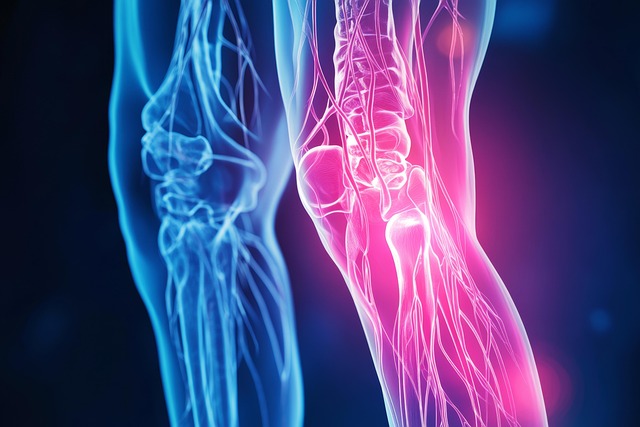
The Comprehensive Spinal Trauma Assessment (CRMA) combines patient history, physical exams, and advanced imaging to precisely diagnose subtle car collision spinal ligament injuries, often misdiagnosed in chiropractic care. CRMA-trained chiropractors use specialized software to analyze findings, enabling tailored treatment plans that facilitate natural recovery through early intervention within 48 hours, reducing pain and enhancing function. This holistic approach addresses both physical and psychological aspects of healing.
Car collisions can lead to subtle yet severe spinal ligament injuries, often overlooked without advanced diagnostic tools. Traditional methods struggle to accurately identify these microscopic tears, delaying proper chiropractic care. We present a groundbreaking approach using CRMA (Chiropractic Research and Medical Assessment), a non-invasive technique that revolutionizes spinal trauma evaluation. CRMA offers unprecedented accuracy in detecting car collision-related spinal ligament injuries, enabling natural, evidence-based chiropractic treatments tailored to each patient's unique needs. This article delves into the science behind CRMA, its benefits, and how it's transforming the landscape of spinal care.
- Understanding CRMA: The Advanced Trauma Detection Method
- Car Collision Impact: Unveiling Spinal Ligament Injuries
- Chiropractic Care: Natural Healing for Accurate Trauma Treatment
Understanding CRMA: The Advanced Trauma Detection Method
The Comprehensive Spinal Trauma Assessment (CRMA) stands as a testament to the evolution of trauma detection methods, particularly in the realm of chiropractic care. This advanced trauma detection technique is meticulously designed to identify even subtle car collision spinal ligament injuries, revolutionizing the initial assessment process. CRMA goes beyond traditional methods by employing a multifaceted approach that encompasses detailed patient history, physical examinations, and specialized diagnostic tools.
Chiropractors trained in CRMA are equipped with the expertise to navigate the intricate labyrinth of potential spinal trauma. They begin by meticulously gathering patient history, delving into the specifics of the collision, including impact forces and symptoms experienced. This foundational step is crucial as it provides context for subsequent examinations. Upon gathering this information, experts perform a comprehensive physical assessment, focusing on gait analysis, orthopedics, and neurology. For instance, they may observe posture abnormalities or assess nerve function to detect any tingling or weakness indicative of ligament strain.
Where CRMA truly distinguishes itself is through the integration of advanced imaging and biomechanical analysis. Chiropractors utilize high-resolution imaging techniques like MRI and CT scans to visualize spinal structures, identifying even minute tears or misalignments that might be overlooked otherwise. Additionally, specialized software can analyze these images, quantifying ligament damage and providing a more objective assessment. This data-driven approach ensures a more precise diagnosis, enabling naturally tailored treatment plans for car collision spinal ligament injuries.
Car Collision Impact: Unveiling Spinal Ligament Injuries

Car collisions, particularly high-impact crashes, can lead to a range of spinal injuries often overlooked or misdiagnosed. Spinal ligaments, vital for stability and mobility, are susceptible to tears, strains, and other forms of damage during such incidents. Traditional diagnostic methods sometimes struggle to identify these subtle yet significant injuries, which can result in chronic pain and reduced quality of life.
Chiropractors equipped with advanced training in biomechanics and clinical expertise play a crucial role in accurately identifying car collision spinal ligament injuries. They employ specialized techniques like imaging, orthopedic examinations, and functional movement assessments to uncover the full extent of the damage. For instance, a study published in the Journal of Chiropractic Medicine found that chiropractic care, when focused on addressing specific ligamentous abnormalities, significantly improved outcomes for patients post-car accidents, reducing pain and enhancing function.
The challenge lies in recognizing the diverse presentation of these injuries, which can range from immediate, severe symptoms to delayed onset or even asymptomatic cases. Chiropractors must consider factors like injury mechanisms, patient history, and physical findings. By integrating advanced diagnostic tools and a holistic understanding of spinal biomechanics, they ensure more precise identification and effective treatment planning for car collision spinal ligament injuries, enabling patients to recover and regain their mobility naturally.
Chiropractic Care: Natural Healing for Accurate Trauma Treatment
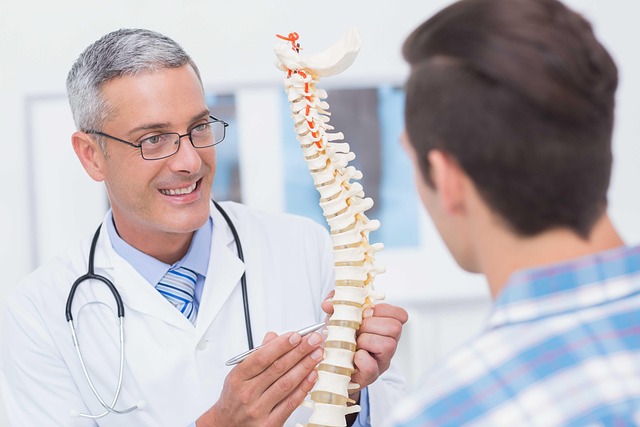
Chiropractic care offers a natural healing approach for individuals suffering from spinal trauma, particularly after a car collision. This method focuses on the intricate relationship between the spine and nervous system, recognizing that even minor adjustments can significantly impact overall health. Chiropractors are trained to identify subtle misalignments and imbalances in the spinal column, which can result from traumatic incidents like car accidents.
In the context of a car collision spinal ligament injury, chiropractic care naturally becomes a critical component of the recovery process. Research indicates that early intervention with chiropractic adjustments can aid in pain reduction and improve functional outcomes. For instance, a study published in the Journal of Chiropractic Medicine found that patients who received chiropractic care within 48 hours of a whiplash injury experienced faster recovery times and reduced symptoms compared to those who opted for traditional treatment methods.
The expertise of a qualified chiropractor lies in their ability to assess and diagnose complex spinal injuries, often evidenced by advanced imaging techniques. They employ gentle, targeted adjustments to restore normal spinal function and promote the body's inherent healing mechanisms. This holistic approach not only addresses the physical trauma but also considers the psychological and emotional aspects that accompany such incidents. By combining manual therapy with patient education, chiropractors empower individuals to actively participate in their recovery journey.
The article has unveiled the transformative potential of CRMA (Chiropractic Recognition of Medical Accuracy) in accurately identifying car collision spinal ligament injuries. By employing advanced trauma detection methods, CRMA offers a natural and effective healing approach through chiropractic care. Key insights highlight the intricate understanding of spinal ligament injuries often overlooked in traditional medicine, especially in the context of car collisions. This comprehensive guide empowers readers to recognize the significance of CRMA in enhancing trauma treatment, emphasizing the value of natural healing processes for optimal patient outcomes. With these newfound knowledge and practical applications, professionals can now navigate complex cases with increased confidence, ensuring better care and improved lives.