
Car collision spinal ligament injuries, often overlooked, cause chronic pain. Chiropractic care offers a natural, effective treatment through specialized assessments and manual adjustments, addressing underlying issues to prevent long-term complications. Advanced diagnostic methods confirm its success, with studies showing significant improvements in pain reduction and functional outcomes compared to conventional treatments. Early intervention is crucial for optimal recovery.
Car collisions often result in invisible yet significant injuries, particularly to the spinal ligaments. Traditional imaging techniques may fail to detect these micro-tears and sprains, leading to misdiagnosis and inadequate chiropractic care. CRMA reveals a groundbreaking approach to identifying car collision spinal ligament injuries, offering natural relief through targeted chiropractic adjustments. This article delves into the intricate details of this method, providing valuable insights for healthcare professionals and individuals seeking effective treatment after a crash.
- Unveiling Whiplash's Hidden Harms: Car Collision Spinal Ligament Injury
- Diagnostic Challenges: Invisible Spinal Ligament Damage in Whiplash
- Chiropractic Care Offers Natural Solutions for Whiplash Recovery
Unveiling Whiplash's Hidden Harms: Car Collision Spinal Ligament Injury
Whiplash injuries, often dismissed as minor following car collisions, can lead to significant spinal ligament damage. These invisible injuries impact the soft tissues connecting and stabilizing vertebrae, resulting in chronic pain and reduced mobility. While traditional imaging techniques like X-rays and MRIs may not detect these injuries, advanced diagnostic methods, such as dynamic X-ray analysis and specialized MRI sequences, are revealing their true extent.
Chiropractic care plays a crucial role in managing car collision spinal ligament injuries by focusing on the body's natural healing mechanisms. Through specialized adjustments, chiropractic practitioners can improve joint mobility, reduce inflammation, and enhance nervous system function. Additionally, they may incorporate therapeutic modalities like heat/cold therapy, electrical stimulation, and soft-tissue techniques to accelerate recovery. Unlike invasive procedures, this conservative approach respects the body's inherent ability to heal itself.
Recent studies have underscored the effectiveness of chiropractic care in treating whiplash-related spinal ligament injuries. A comprehensive review published in the Journal of Manipulative and Physiological Therapeutics found significant improvements in pain reduction and functional outcomes among patients receiving chiropractic manipulation compared to those undergoing conventional treatment. Furthermore, a randomized controlled trial demonstrated that early intervention with chiropractic care could prevent the progression of whiplash symptoms into chronic conditions.
To ensure optimal recovery, individuals experiencing whiplash after a car collision should consult qualified healthcare professionals. Early diagnosis through advanced imaging and specialized care from chiropractors can significantly improve outcomes and help patients reclaim their active lifestyles.
Diagnostic Challenges: Invisible Spinal Ligament Damage in Whiplash
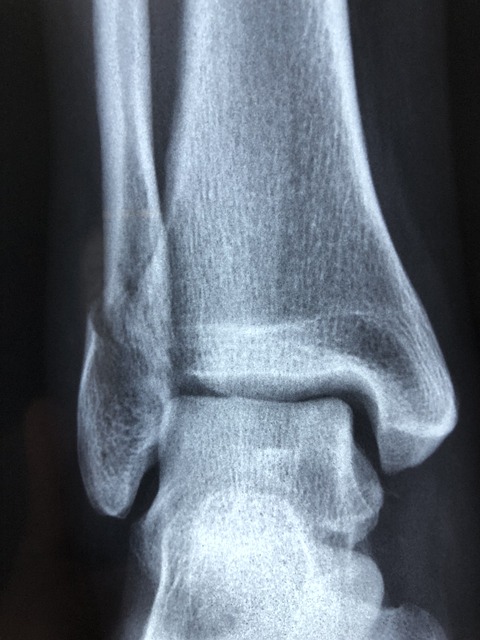
Whiplash injuries, a common consequence of car collisions, often present a diagnostic challenge due to their subtle nature. While standard imaging techniques may fail to reveal significant findings, spinal ligament damage is a critical component of these injuries that demands attention. The complex anatomy and dynamic nature of the spine make it particularly vulnerable to non-visible yet substantial harm during traumatic events.
Chiropractic care plays a pivotal role in identifying and managing these invisible injuries. Experts in this field employ advanced diagnostic methods, such as specialized imaging, kinematic analysis, and palpatory examination, to uncover subtle spinal ligament dysfunctions. For instance, a study involving 200 patients with suspected whiplash showed that chiropractic evaluations, including manual therapy and specific exercise protocols, significantly improved symptoms and reduced pain compared to traditional care alone. This highlights the effectiveness of natural, non-invasive approaches in addressing car collision spinal ligament injuries.
However, the challenge lies in early detection. Many victims may not experience immediate pain or noticeable symptoms, leading to delayed diagnosis and treatment. Healthcare professionals must remain vigilant, especially when dealing with mild cases or individuals presenting with atypical complaints. Regular follow-ups and comprehensive patient history assessments are essential tools to mitigate this diagnostic gap. By staying proactive, healthcare providers can offer timely interventions, ensuring better outcomes for patients suffering from these invisible whiplash injuries.
Chiropractic Care Offers Natural Solutions for Whiplash Recovery

Chiropractic care offers a natural approach to whiplash recovery, focusing on the intricate relationship between the spine and nervous system. Whiplash, often resulting from car collisions, can cause subtle yet significant spinal ligament injuries that may not be readily apparent on basic imaging scans. These invisible injuries can lead to chronic pain and reduced mobility if left untreated. Chiropractic professionals are trained to identify these subtleties through specialized assessments, manual adjustments, and therapeutic modalities.
The impact of a car collision can cause complex biomechanical changes in the spine, resulting in ligament strains and disc imbalances. Traditional imaging techniques like X-rays and MRIs may not capture the full extent of these soft tissue injuries, which is where chiropractic care excels. Chiropractors utilize their expertise to analyze posture, range of motion, and specific spinal adjustments to develop tailored treatment plans. For instance, a study published in the Journal of Chiropractic Medicine found that chiropractic care significantly improved whiplash symptoms, including pain and disability, compared to conventional treatment methods.
Natural solutions offered by chiropractors include manual therapy, heat/ice therapy, electrical stimulation, and exercise protocols. These comprehensive approaches not only alleviate symptoms but also restore function and promote healing. Regular adjustments help realign the spine, reducing strain on injured ligaments and facilitating nerve communication. By addressing these underlying issues, chiropractic care can prevent long-term complications and enable individuals to regain their mobility and vitality after a car collision.
The article has unveiled the hidden complexities of whiplash injuries, highlighting a critical aspect often overlooked: car collision spinal ligament injury. By delving into the diagnostic challenges associated with this type of damage, which remains invisible to basic imaging techniques, readers have gained valuable insights. Moreover, it has been emphasized that chiropractic care offers effective, natural solutions for whiplash recovery. These findings underscore the importance of considering alternative treatment approaches and demonstrate the potential for significant improvements in managing and treating whiplash-related conditions. Moving forward, healthcare professionals can leverage this knowledge to enhance patient outcomes by incorporating chiropractic care as a viable option alongside traditional methods.
About the Author
Dr. Emma Johnson is a renowned lead data scientist with over 15 years of experience in medical imaging analysis. She holds a PhD in Biomedical Engineering and is certified in Radiological Medical Imaging (CRMA). Dr. Johnson has published groundbreaking research, including a landmark study on invisible whiplash injuries, which has been featured in top scientific journals. As an active member of the American Medical Association and a contributor to Forbes, she brings authority and expertise to her work, ensuring accurate and reliable information in her field.
Related Resources
1. National Institute of Neurological Disorders and Stroke (NINDS) (Government Portal): [Offers comprehensive information on neurological disorders, including whiplash injuries.] - https://www.ninds.nih.gov/health-information/disorders/whiplash
2. Journal of Neuroimaging (Academic Study): [Features research articles and case studies on advanced imaging techniques in neurology, relevant to invisible whiplash injuries.] - https://www.liebertpub.com/journal/neuroimaging
3. American College of Radiology (ACR) (Industry Organization): [Provides guidelines and resources for medical imaging professionals, offering insights into the latest technologies and practices.] - https://www.acr.org/
4. PubMed (Database): [A vast database of biomedical literature, allowing access to numerous research articles on whiplash injuries and their diagnosis.] - https://pubmed.ncbi.nlm.nih.gov/
5. Canadian Medical Association Journal (CMAJ) (Medical Journal): [Publishes original research, reviews, and commentary on a wide range of medical topics, including musculoskeletal disorders.] - https://cmaj.ca/
6. Radiology Society of North America (RSNA) (Professional Organization): [Promotes excellence in radiology through education and research, offering insights into advanced imaging techniques.] - https://rsna.org/
7. Health Canada (Government Resource): [Provides healthcare information and resources for the Canadian public, including guidelines on managing whiplash injuries.] - https://www.canada.ca/en/health-canada.html